


PU heat transfer labels have gained significant popularity in the textile industry due to their versatility, durability, and aesthetic appeal. As a leading supplier of PU heat transfer labels, I often receive inquiries about their compatibility with various fabric types, including wool. In this blog post, I will explore the question of whether PU heat transfer labels can be used on wool fabrics, considering factors such as adhesion, heat resistance, and potential damage to the fabric.
Understanding PU Heat Transfer Labels
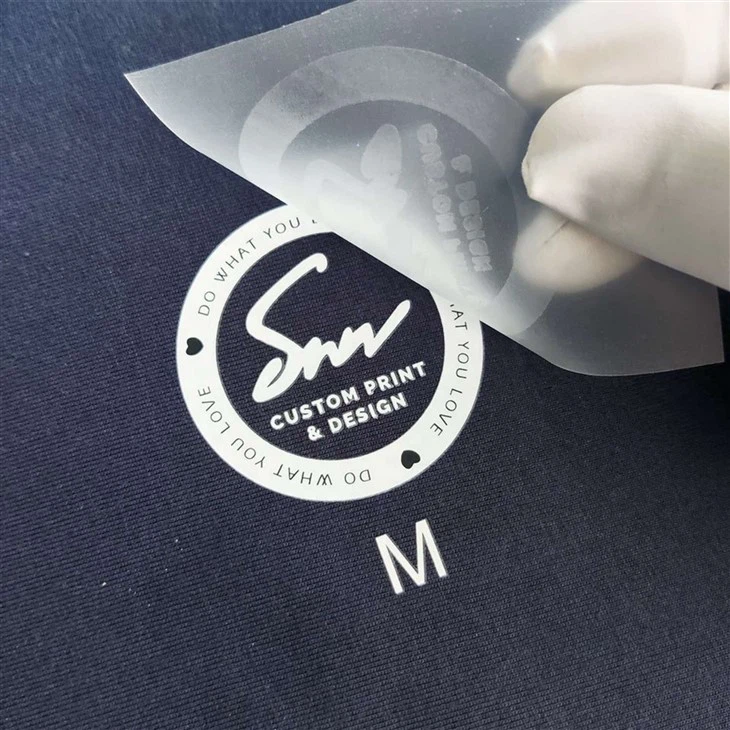
PU, or polyurethane, is a synthetic polymer known for its flexibility, strength, and resistance to abrasion and chemicals. PU heat transfer labels are created by printing or embossing designs onto a carrier film, which is then transferred onto the fabric using heat and pressure. This process allows for precise and detailed designs, making PU heat transfer labels a popular choice for clothing manufacturers, sportswear brands, and other textile applications.
Compatibility with Wool Fabrics
Wool is a natural fiber known for its warmth, softness, and breathability. However, it is also a delicate fabric that requires special care during processing. When considering using PU heat transfer labels on wool fabrics, several factors need to be taken into account:
Adhesion
One of the primary concerns when using PU heat transfer labels on wool is adhesion. Wool has a unique surface structure that can make it challenging for adhesives to bond effectively. The natural oils and lanolin present in wool can also interfere with the adhesion process. To ensure proper adhesion, it is essential to choose a PU heat transfer label with a strong adhesive specifically designed for use on natural fibers. Additionally, the fabric should be clean and free of any oils or contaminants before applying the label.
Heat Resistance
Wool is sensitive to heat and can easily shrink or become damaged if exposed to high temperatures. When applying PU heat transfer labels, it is crucial to use the correct heat settings to avoid damaging the fabric. Most PU heat transfer labels require a temperature range of 130-160°C (266-320°F) for proper adhesion. However, it is recommended to test the heat transfer process on a small, inconspicuous area of the fabric first to ensure that the wool does not shrink or change color.
Fabric Damage
In addition to heat damage, PU heat transfer labels can also cause physical damage to wool fabrics if not applied correctly. The pressure applied during the heat transfer process can cause the fibers to become compressed or flattened, resulting in a loss of the fabric's natural texture and appearance. To minimize the risk of fabric damage, it is important to use a heat press with adjustable pressure settings and to apply the label evenly across the surface of the fabric.
Benefits of Using PU Heat Transfer Labels on Wool Fabrics
Despite the challenges associated with using PU heat transfer labels on wool, there are several benefits to consider:
Durability
PU heat transfer labels are highly durable and can withstand repeated washing and wear. This makes them an ideal choice for wool garments that require long-lasting labels, such as sportswear, workwear, and outdoor clothing.

Aesthetic Appeal
PU heat transfer labels offer a wide range of design options, including full-color printing, embossing, and foiling. This allows for the creation of unique and eye-catching labels that can enhance the overall appearance of wool garments.
Customization
As a PU heat transfer label supplier, I offer a high level of customization to meet the specific needs of my customers. Whether you need a simple logo label or a complex design, I can work with you to create a label that perfectly matches your brand identity and product requirements.
Tips for Using PU Heat Transfer Labels on Wool Fabrics
To ensure the successful application of PU heat transfer labels on wool fabrics, I recommend following these tips:
Choose the Right Label
Select a PU heat transfer label with a strong adhesive specifically designed for use on natural fibers. Look for labels that are heat-resistant and have a high level of flexibility to prevent cracking or peeling.
Prepare the Fabric
Before applying the label, make sure the wool fabric is clean and free of any oils or contaminants. You can use a mild detergent and warm water to clean the fabric, followed by a thorough rinse and air-drying.
Test the Heat Transfer Process
Before applying the label to the entire garment, test the heat transfer process on a small, inconspicuous area of the fabric. This will allow you to adjust the heat and pressure settings as needed and ensure that the wool does not shrink or change color.
Use a Heat Press
A heat press is the most effective way to apply PU heat transfer labels to wool fabrics. Make sure to use a heat press with adjustable temperature and pressure settings to ensure proper adhesion and minimize the risk of fabric damage.
Apply the Label Evenly
When applying the label, make sure to apply it evenly across the surface of the fabric. Use a Teflon sheet or a heat-resistant pad to protect the fabric from direct contact with the heat press.
Conclusion
In conclusion, PU heat transfer labels can be used on wool fabrics, but it is important to take the necessary precautions to ensure proper adhesion and minimize the risk of fabric damage. By choosing the right label, preparing the fabric correctly, and using the appropriate heat transfer process, you can achieve high-quality results that will enhance the appearance and durability of your wool garments.
As a PU heat transfer label supplier, I am committed to providing my customers with the highest quality products and services. If you have any questions or need further information about using PU heat transfer labels on wool fabrics, please do not hesitate to contact me. I would be happy to assist you with your labeling needs and help you find the perfect solution for your business.
References
- "Wool: Properties and Characteristics." Textile Institute, 2023.
- "PU Heat Transfer Labels: A Comprehensive Guide." Label Planet, 2023.
- "Heat Transfer Printing on Textiles." Journal of Textile Science and Engineering, vol. 13, no. 2, 2023, pp. 1-10.