


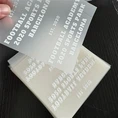


Can screen printed PU labels be used on plastic products? That's a question I get asked a lot as a supplier of Screen Printed PU Labels. In this blog post, I'm gonna break down the ins and outs of using these labels on plastic products, sharing my thoughts based on years of experience in the label game.
First off, let's talk about what screen printed PU labels are. PU, or polyurethane, is a super versatile material. It's known for being durable, flexible, and having a great finish. Screen printing on PU gives you sharp, long - lasting designs. You can print all sorts of stuff, from simple logos to complex patterns with multiple colors.
Now, when it comes to plastic products, there are a ton of different types of plastics out there. Some common ones include polyethylene (PE), polypropylene (PP), polyvinyl chloride (PVC), and polystyrene (PS). Each type of plastic has its own surface properties, like smoothness, porosity, and chemical composition. These properties play a huge role in whether a screen printed PU label will stick well and look good on the plastic.
For plastics with a smooth surface, like some high - gloss PVC or acrylic plastics, screen printed PU labels can work really well. The smooth surface provides a good base for the label to adhere to. The key is to make sure the surface is clean and free of any dust, grease, or other contaminants before applying the label. You can use a mild detergent and a clean cloth to wipe down the plastic surface. Once it's dry, the label can be applied using heat transfer or adhesive methods.
Heat transfer is a popular way to apply screen printed PU labels to plastic products. When you use heat, the PU label softens and bonds to the plastic surface. This creates a strong, permanent bond. However, you need to be careful with the temperature and pressure settings. If the temperature is too high, it can damage the plastic or the label. On the other hand, if the temperature is too low, the bond won't be strong enough.
Adhesive - based application is another option. There are different types of adhesives available, and you need to choose the right one for the type of plastic you're working with. For example, some adhesives work better on polar plastics like PVC, while others are more suitable for non - polar plastics like PE and PP.
But not all plastics are created equal. Some plastics, like polypropylene, have a very low surface energy. This means it's difficult for adhesives or heat - transferred labels to stick to them. In these cases, you might need to pre - treat the plastic surface. One common pre - treatment method is corona treatment. This uses a high - voltage electrical discharge to increase the surface energy of the plastic, making it more receptive to the label.
Another factor to consider is the environment in which the plastic product will be used. If the product will be exposed to high temperatures, moisture, or chemicals, the screen printed PU label needs to be able to withstand these conditions. PU is generally a pretty tough material, but you might need to choose a special formulation of PU or apply a protective coating to the label to ensure its longevity.


Let's take a look at some real - world examples. In the consumer electronics industry, plastic casings of devices like smartphones and tablets often have screen printed PU labels. These labels can display brand logos, model numbers, and other important information. The labels need to be durable enough to withstand daily handling, scratches, and environmental factors.
In the automotive industry, plastic parts such as dashboards, door panels, and exterior trim pieces may also have screen printed PU labels. These labels need to be resistant to heat, sunlight, and chemicals like cleaning agents.
Now, I'd like to mention some of the products we offer that might be relevant for plastic products. We have High Reflective PU Transfers. These are great for applications where you want the label to stand out, even in low - light conditions. They can be used on plastic safety equipment or outdoor plastic signage.
Our Reflective PU Label is another option. It combines the durability of PU with reflective properties, making it suitable for plastic products used in safety - related applications, like bike accessories or sports equipment.
If you're in the sportswear industry and want to use plastic components with labels, our Sportswear PU Labels can be a good choice. They can be applied to plastic parts of sportswear, like zippers or buckles.
In conclusion, screen printed PU labels can definitely be used on plastic products, but it's not a one - size - fits - all situation. You need to consider the type of plastic, the application method, and the environmental conditions. If you're thinking about using screen printed PU labels on your plastic products, I'd love to have a chat with you. I can help you figure out the best solution based on your specific needs. Whether it's choosing the right label material, pre - treatment method, or application technique, I've got the expertise to guide you through the process. So, don't hesitate to reach out if you're interested in purchasing screen printed PU labels for your plastic products. Let's work together to make your plastic products look their best with high - quality labels.
References:
- "Plastics Technology Handbook" - A comprehensive guide on different types of plastics and their properties.
- "Labeling and Decoration of Plastics" - A book that covers various methods of applying labels to plastic products.