




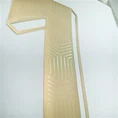

Hey there! As a supplier of PU heat transfer labels, I often get asked about how long these labels last. It's a super important question, especially if you're planning to use them for your products. So, let's dive right in and explore the factors that affect the lifespan of PU heat transfer labels.
What Are PU Heat Transfer Labels?
Before we talk about how long they last, let's quickly go over what PU heat transfer labels are. These labels are made of polyurethane (PU), a type of plastic that's known for its flexibility, durability, and resistance to wear and tear. They're applied to fabrics or other materials using heat and pressure, which makes them a popular choice for clothing, sportswear, and other textile products.
We offer a wide range of PU heat transfer labels, including High Reflective PU Transfers, Sportswear PU Labels, and Colorful PU Sticker. Each type has its own unique features and benefits, but they all share the same goal of providing a long-lasting and high-quality labeling solution.
Factors Affecting the Lifespan of PU Heat Transfer Labels
Now, let's get into the nitty-gritty of what affects how long these labels last. There are several key factors to consider:
1. Quality of the Material
The quality of the PU material used in the label is one of the most important factors. Higher-quality PU materials are more resistant to fading, cracking, and peeling, which means they'll last longer. At our company, we use only the best-grade PU materials to ensure that our labels have a long lifespan.
2. Application Process
How the label is applied also plays a big role. If the heat and pressure aren't applied correctly during the transfer process, the label may not adhere properly, leading to premature peeling or damage. That's why it's crucial to follow the manufacturer's instructions carefully when applying PU heat transfer labels.
3. Washing and Care
How the labeled item is washed and cared for can significantly impact the label's lifespan. Harsh detergents, high temperatures, and rough handling can all cause the label to deteriorate more quickly. It's best to follow the washing instructions provided with the labeled product, which usually recommend gentle washing and air drying.
4. Environmental Conditions
The environment in which the labeled item is used can also affect the label's durability. Exposure to sunlight, extreme temperatures, and moisture can all cause the label to fade or degrade over time. For example, if a label is used on outdoor sportswear that's constantly exposed to the sun and rain, it may not last as long as a label on indoor clothing.
Typical Lifespan of PU Heat Transfer Labels
On average, a well-applied and properly cared-for PU heat transfer label can last anywhere from 2 to 5 years. However, this can vary widely depending on the factors mentioned above.


- Everyday Wear: For clothing that's worn regularly but not subjected to extreme conditions, the label can last around 2 - 3 years. This includes items like t-shirts, jeans, and casual wear.
- Sportswear: Sportswear that's washed frequently and exposed to sweat and physical activity may see the label last for about 1 - 2 years. However, if the sportswear is used for more intense activities or in harsh environments, the lifespan may be shorter.
- Outdoor Gear: Labels on outdoor gear such as jackets, backpacks, and tents may last 3 - 5 years, as long as they're protected from excessive sunlight and moisture.
Tips to Extend the Lifespan of PU Heat Transfer Labels
If you want to get the most out of your PU heat transfer labels, here are some tips to help extend their lifespan:
- Proper Application: Make sure to follow the application instructions carefully. Use the right temperature and pressure settings, and ensure that the surface is clean and dry before applying the label.
- Gentle Washing: Wash labeled items in cold water with a mild detergent. Avoid using bleach or fabric softeners, as these can damage the label. Turn the item inside out before washing to protect the label from friction.
- Air Drying: Instead of using a dryer, air dry the labeled item. The high heat in a dryer can cause the label to shrink or peel.
- Avoid Abrasion: Try to minimize contact with rough surfaces that could scrape or rub against the label. For example, if you're wearing a labeled shirt, avoid leaning against rough walls or furniture.
Why Choose Our PU Heat Transfer Labels
As a supplier, we take pride in offering high-quality PU heat transfer labels that are designed to last. Here's why you should choose our labels:
- Premium Materials: We source only the best PU materials, which are known for their durability and resistance to wear and tear.
- Expert Application: Our team has extensive experience in applying PU heat transfer labels, ensuring a strong and long-lasting bond.
- Customization Options: We offer a wide range of customization options, including different colors, sizes, and designs, so you can create a label that perfectly suits your needs.
Contact Us for Your Labeling Needs
If you're interested in purchasing PU heat transfer labels for your products, we'd love to hear from you. Whether you're a small business looking for a unique branding solution or a large manufacturer in need of high-volume labels, we have the expertise and resources to meet your requirements.
Don't hesitate to reach out to us to discuss your project, get a quote, or ask any questions you may have. We're here to help you find the perfect labeling solution that will last for years to come.
References
- "Polyurethane Materials and Their Applications" - A comprehensive guide on the properties and uses of polyurethane materials.
- "Textile Labeling and Durability" - Research on the factors affecting the lifespan of textile labels.
- "Best Practices for Heat Transfer Label Application" - Industry guidelines for applying heat transfer labels correctly.