


Sew-On Labels: When Heat Transfer Isn't the Right Fit
For many brands and agents, heat transfer labels are an essential branding element. However, heat transfer is not always compatible with every fabric or product-for example, waterproof fabrics, wool, and some heat-sensitive materials. In these cases, sew-on labels are often the better choice, especially for caps, bags, and leather goods.
Today, I'd like to introduce some of the sew-on labels we commonly produce. They are also called stitch labels.
A sew-on badge usually has an edge. There are generally two options: embroidery edge and merrowed edge. Some customers prefer merrowed edge; others prefer embroidery edge. The difference is subtle: embroidery edge looks tighter and more integrated, while merrowed edge has a more textured look.
In terms of badge base material, we have woven base, twill base, embroidery base, etc. For logo/printing material, we have silicone, PU, and ink. In terms of effect, we have flat and 3D raised.
Here are seven examples:
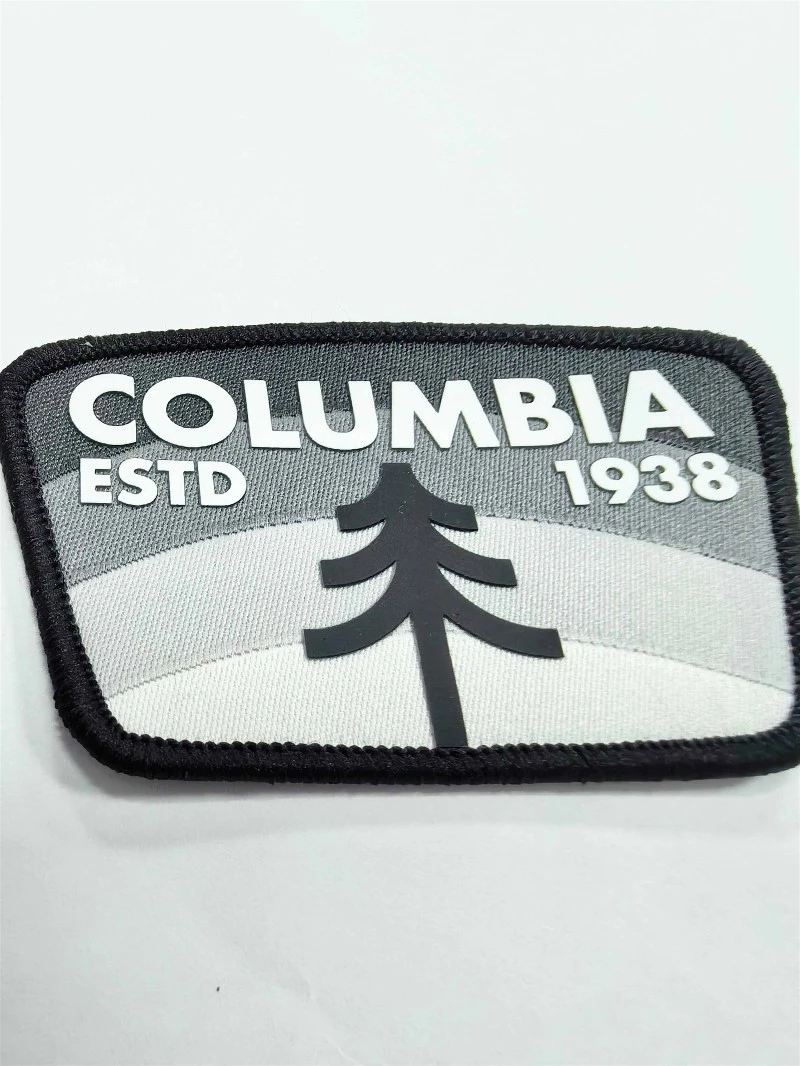
1.Embroidery base + merrowed edge + 3D white silicone raised
The overall effect is excellent. The four colors on the embroidery base are clear and distinct, and the 3D white silicone makes the brand logo stand out. The texture of the embroidery base works together with the merrowed edge, creating a very strong overall effect.
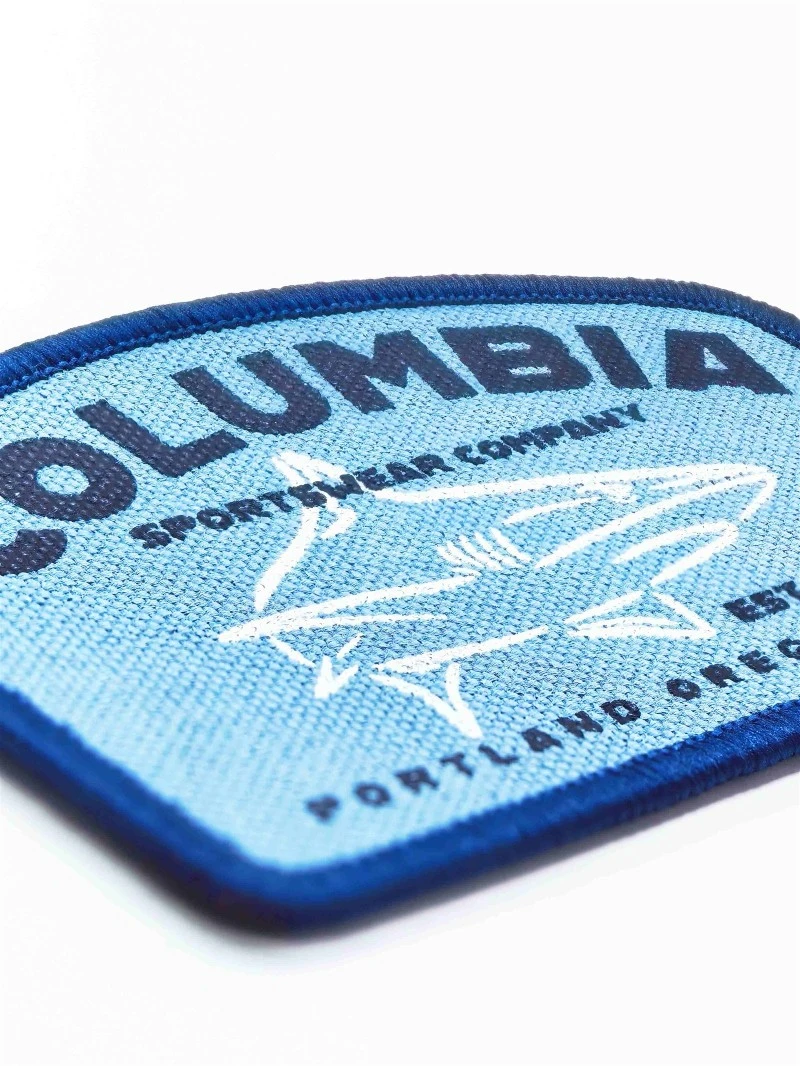
2.Woven base + merrowed edge, with the logo printed in ink
The key feature: ink printing cannot create thickness, and it does not cover the texture of the woven base after printing.
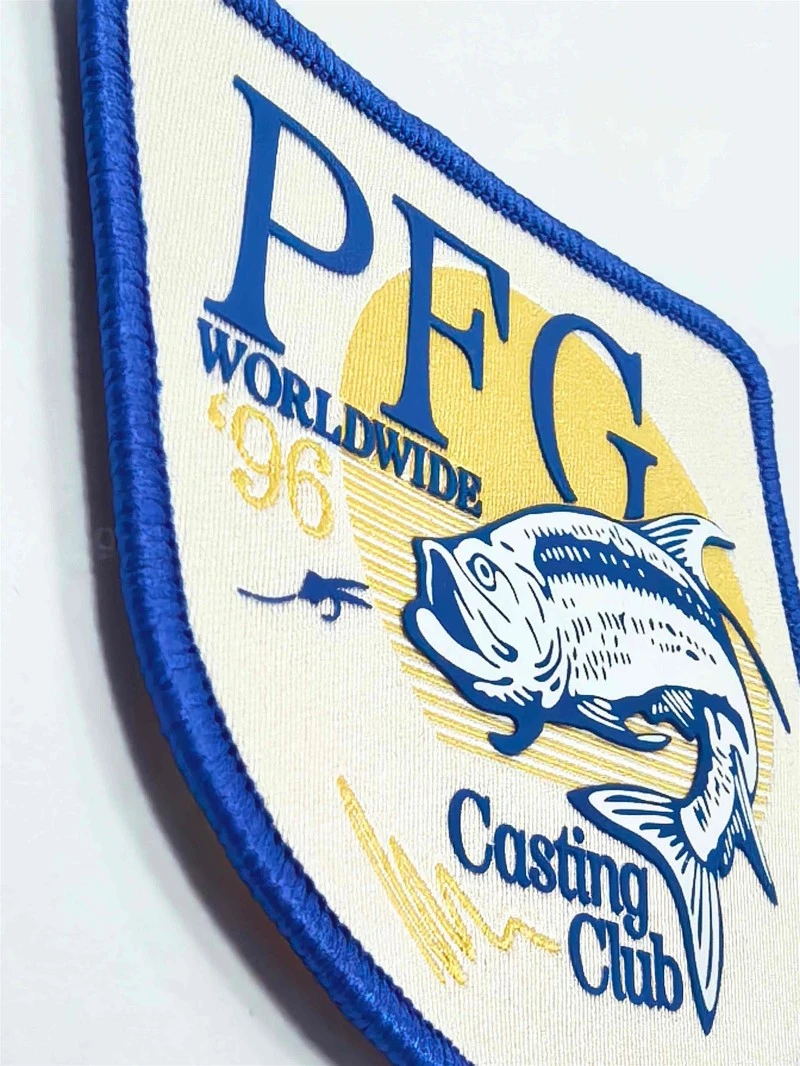
3.Woven base + merrowed edge, but the logo area combines 3D silicone with an embroidery pattern
This is very special. Technically, it is the most difficult construction, but the result is also the best. It offers multiple layers, multiple textures, and a rich hand-feel.
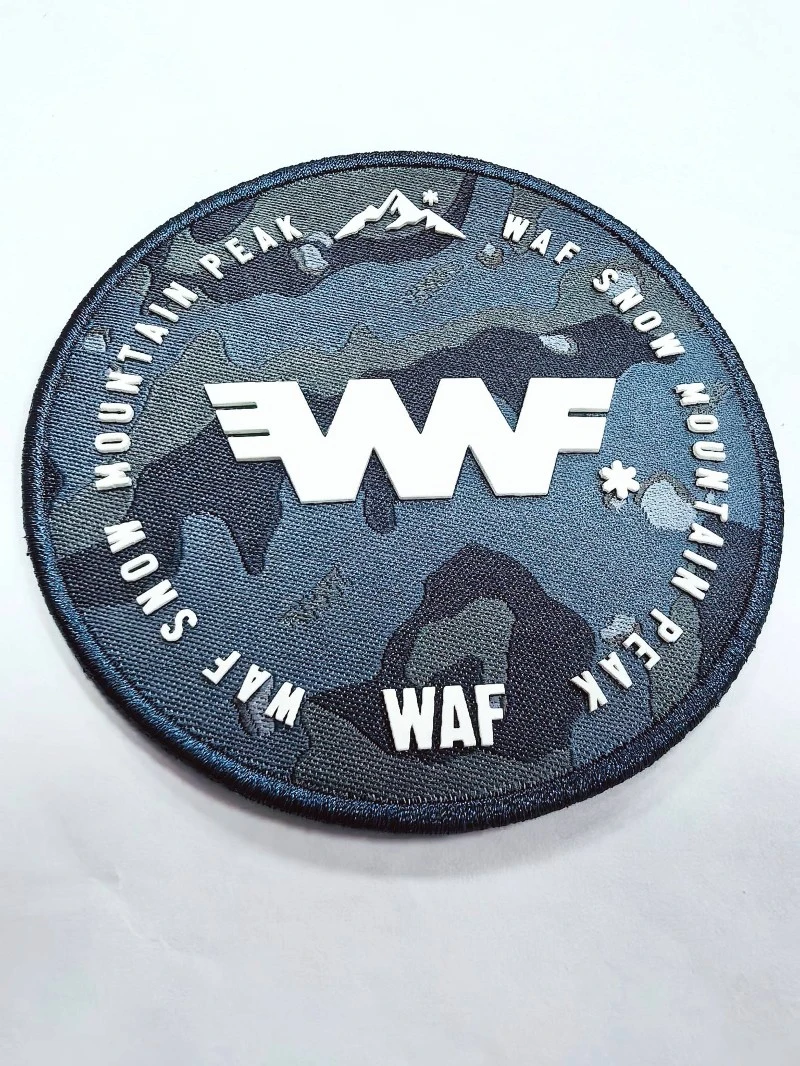
4.Embroidery base texture + embroidery edge, with the white logo area in super 3D silicone raised
You can see a big difference between embroidery edge and merrowed edge-embroidery edge makes the whole label feel more integrated. Generally, 3D silicone thickness is about 0.5 mm, while the raised part of super 3D silicone is about 0.8–1.0 mm. The embroidery base pattern is well layered, and the super 3D silicone feels soft to the touch while delivering a great effect.
5.Twill base + merrowed edge, with the logo area combining flat silicone and 3D silicone
Honestly, this is the best-looking badge in my opinion. The layering is very clear: the logo combines flat and 3D silicone, the merrowed edge itself is highly textured, and the twill base is the most special part. The whole badge has strong layering and texture.
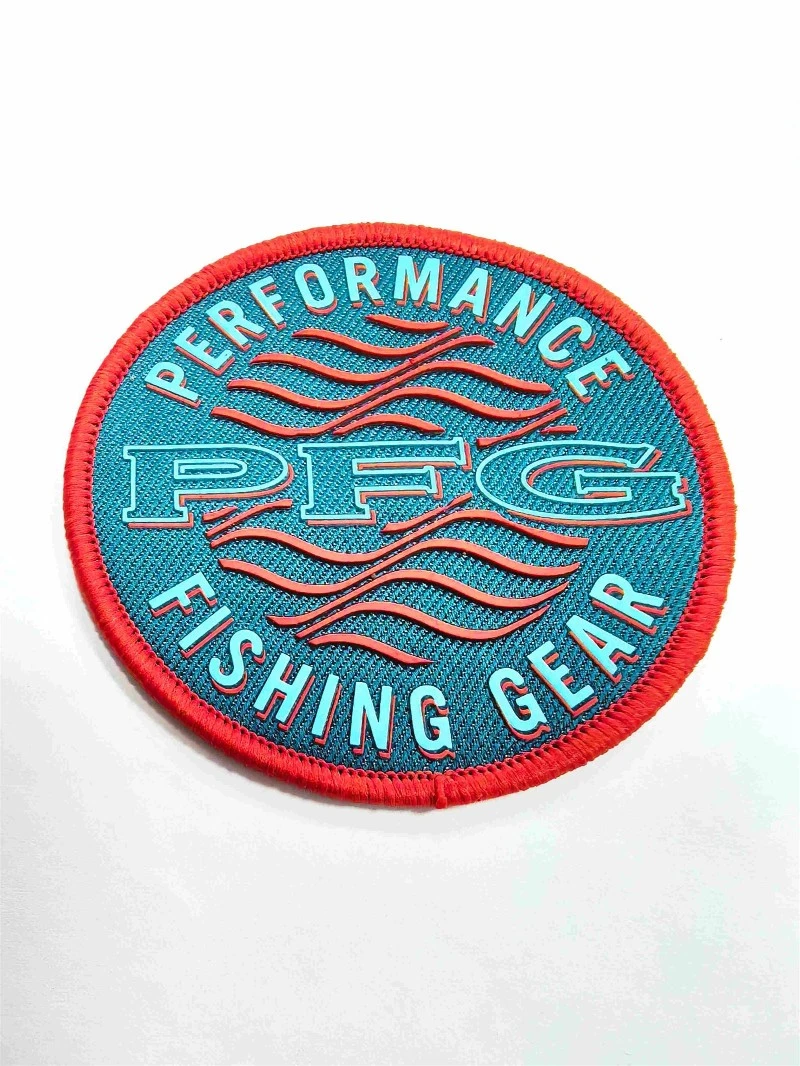
6.Woven base + merrowed edge, with PU printing on the logo for a 3D effect
Visually, the difference is not obvious, but the hand-feel is very different. PU 3D feels very hard, while 3D silicone is very soft.
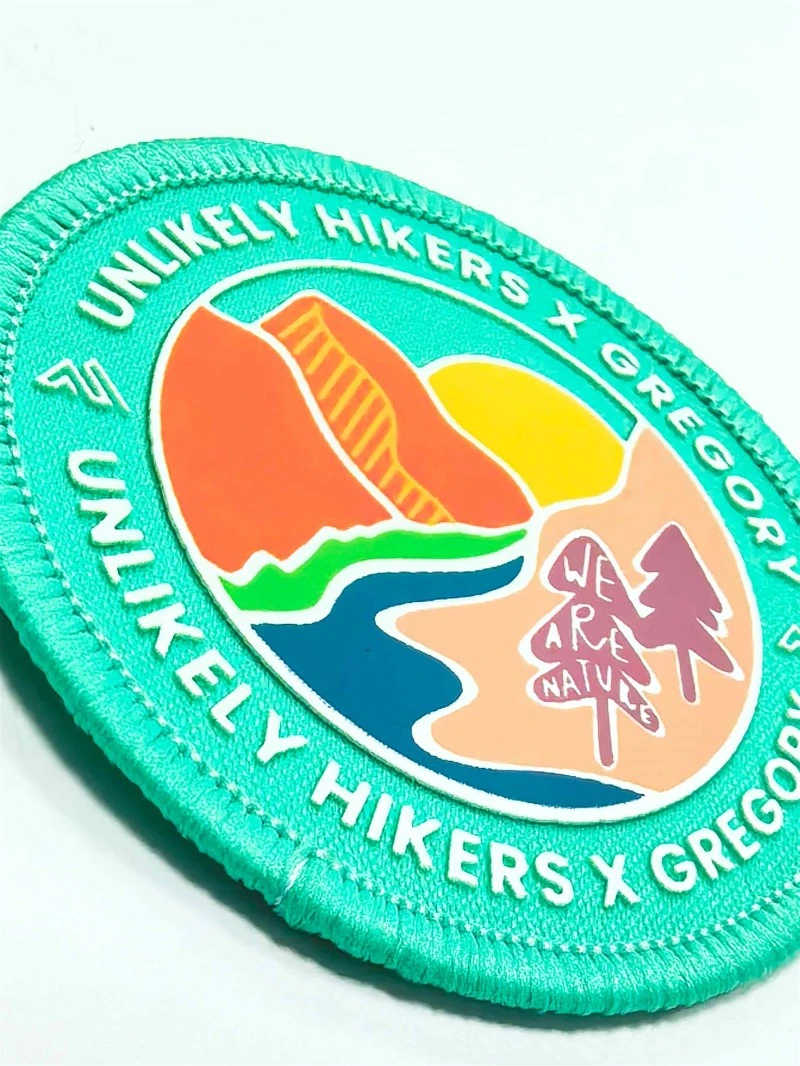
7.Twill base + merrowed edge, with the logo printed in ink
In summary, embroidery base is usually suitable for multi-color backgrounds. For the logo area, you can choose ink, silicone, or PU. PU does not offer a clear advantage here: if you need a very thin logo, choose ink; if you need some thickness, choose 3D silicone-soft and layered. You can also combine flat silicone with 3D or super 3D silicone to create a stronger contrast. Of course, woven base combined with an embroidery pattern and 3D silicone can also look stunning.
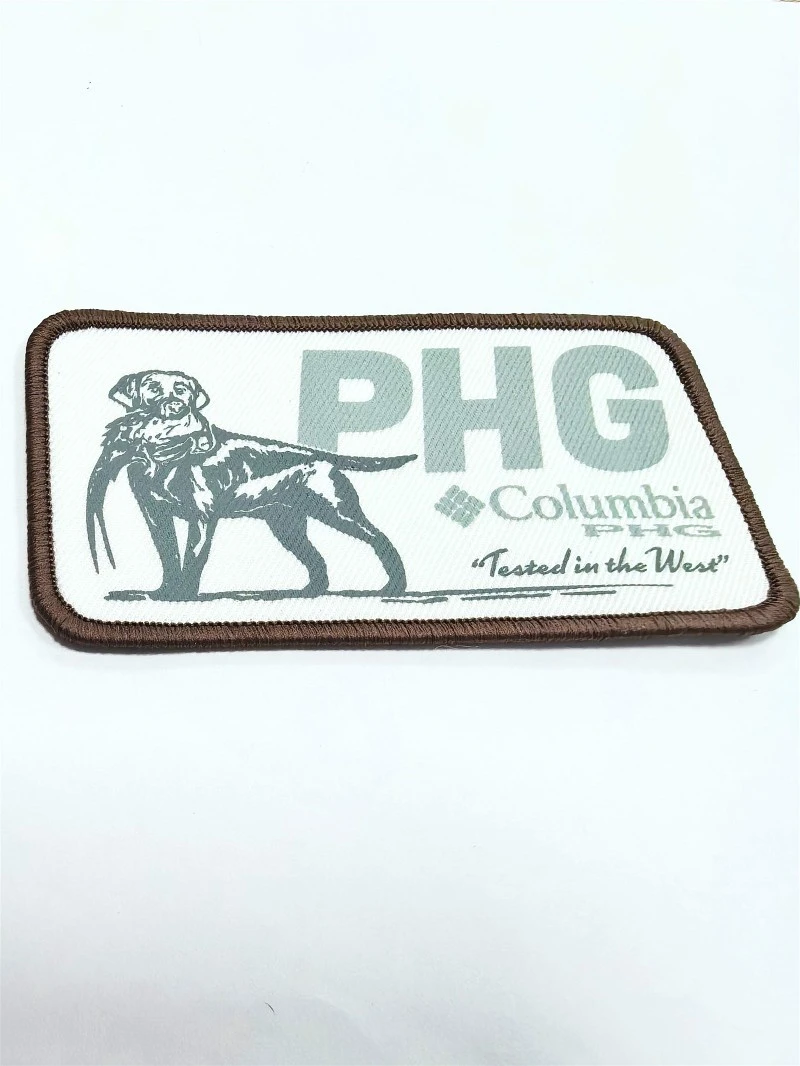
If you have similar requirements or are developing a new project, feel free to reach out. I'd be happy to discuss the right construction for your product.
#SewOnLabels #StitchLabels #CustomLabels #Branding #GarmentAccessories #ApparelAccessories #Labels #Manufacturing #ProductDevelopment